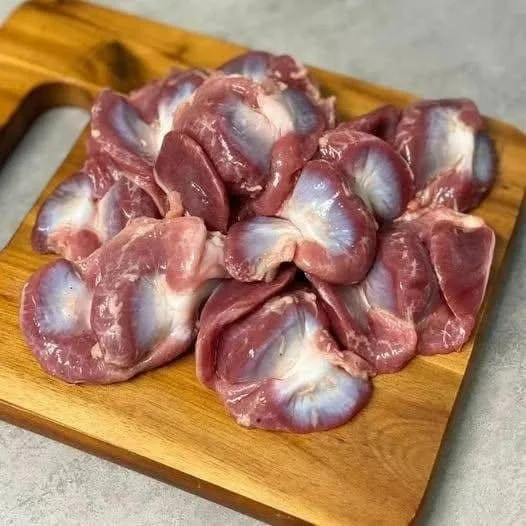
Introduction:
Chicken gizzards are one of those ingredients that often go unnoticed, yet they hold a surprising amount of flavor, nutrition, and culinary potential. While many people pass them by without a second thought, those who know how to prepare them properly understand just how rewarding they can be. Rich in protein, iron, and essential nutrients, gizzards offer a hearty and budget-friendly option that deserves far more attention in everyday cooking. Beyond their unique texture lies a deep, satisfying taste that rewards slow, thoughtful preparation. This is the kind of ingredient that reminds us that great food doesn’t always come from the most expensive cuts—it often comes from knowing how to make the most of what others overlook.
Chicken gizzards are one of those foods that people either love or have never tried. They’re often overlooked, tucked away in the “organ meats” section that many shoppers pass by without a second glance.
But here’s what they’re missing: chicken gizzards are not only affordable, but they’re also full of health benefits. High in protein, iron, and essential vitamins, these tasty morsels are perfect for anyone looking to add variety to their meals without breaking the bank.
Let’s give gizzards the attention they deserve.
First, What Exactly Is a Gizzard?
The gizzard is a muscular organ in a chicken’s digestive tract. Since birds don’t have teeth, they swallow small stones and grit that collect in the gizzard. The powerful muscles grind the stones against the food, breaking it down for digestion.
When you eat a gizzard, you’re eating that strong, muscular organ—which explains its dense, meaty texture.
Nutritional Benefits: Small Package, Big Impact
| Nutrient | Amount (per 3.5 oz / 100g) | Benefit |
|---|---|---|
| Protein | 20g | Muscle repair, satiety, overall health |
| Iron | 3.5mg | Prevents anemia, boosts energy |
| Zinc | 3mg | Immune support, wound healing |
| Vitamin B12 | 1.5mcg | Energy metabolism, nerve health |
| Selenium | 20mcg | Antioxidant, thyroid function |
| Phosphorus | 200mg | Bone health |
| Fat | 3g | Lean protein source |
| Cholesterol | 240mg | Moderate—fine for most people |
Key takeaways:
-
High in protein – Excellent for muscle maintenance
-
Rich in iron – Particularly heme iron, which is easily absorbed
-
Low in fat – A lean protein option
-
Packed with B vitamins – Essential for energy
-
Affordable – Often a fraction of the cost of chicken breast
Health Benefits of Adding Gizzards to Your Diet
1. Muscle Maintenance and Repair
With 20 grams of protein per serving, gizzards are an excellent option for anyone looking to build or maintain muscle mass.
2. Energy Boost
The combination of iron and B12 helps combat fatigue and supports healthy red blood cell production.
3. Immune Support
Zinc and selenium work together to support immune function and protect cells from oxidative damage.
4. Bone Health
Phosphorus works alongside calcium to maintain strong bones.
5. Budget-Friendly Nutrition
Gizzards cost a fraction of chicken breast, making them accessible for any budget.
6. Versatility
They can be prepared in countless ways—fried, stewed, grilled, or simmered.
How to Prepare Chicken Gizzards
Step 1: Clean Thoroughly
Rinse gizzards under cold water. Some come with the inner lining attached—you can remove it if desired, though many leave it on.
Step 2: Tenderize (Optional but Recommended)
Gizzards are tough because they’re a working muscle. Pounding them gently or scoring them can help.
Step 3: Cook Low and Slow
The secret to tender gizzards is long, gentle cooking. Braising, stewing, or slow cooking breaks down the tough muscle fibers.
Step 4: Season Generously
Gizzards have a mild, slightly mineral flavor that takes well to bold seasonings—garlic, onion, herbs, spices.
