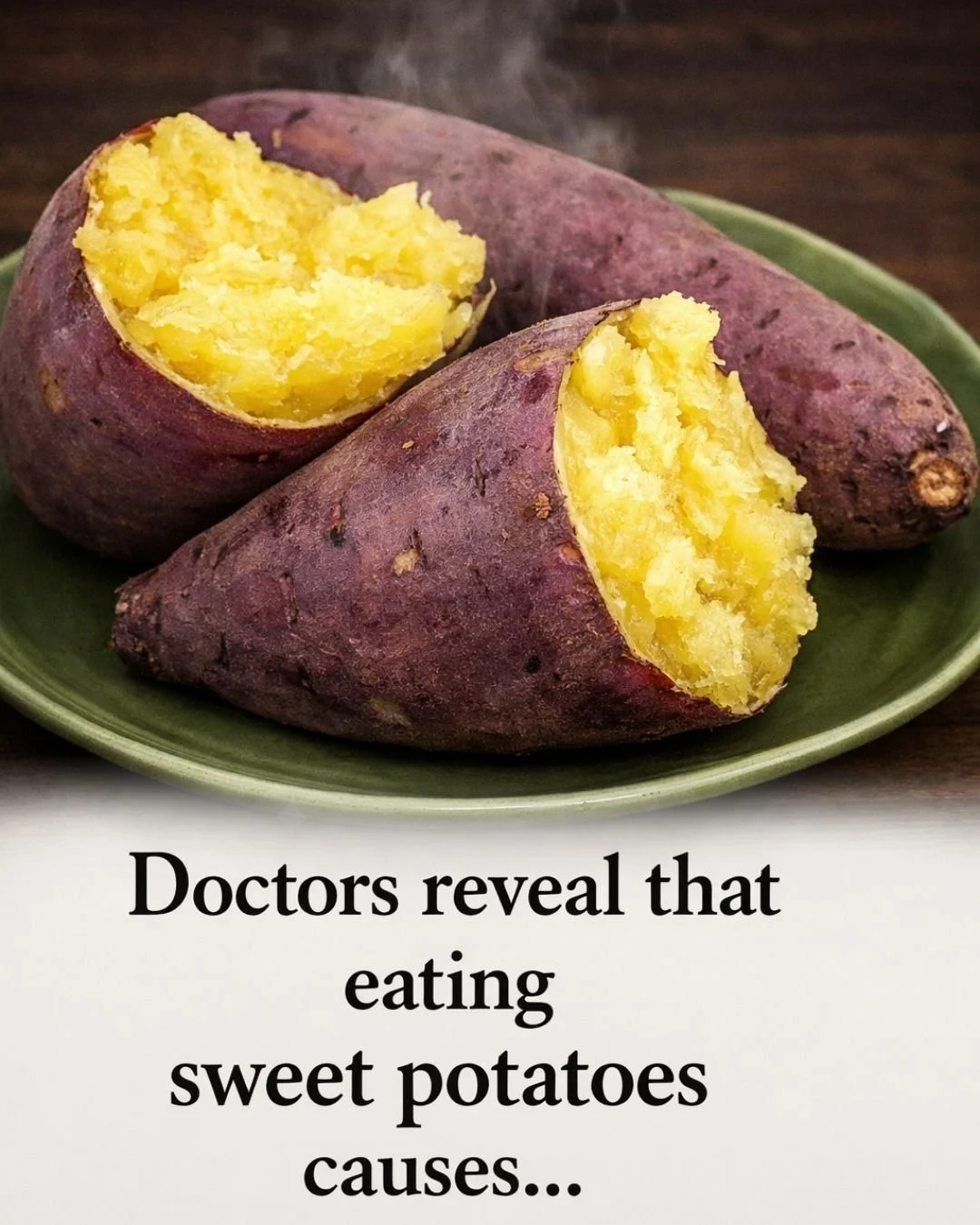
Introduction:
Sweet potatoes are often seen as a simple comfort food, but beneath their natural sweetness and vibrant color lies a powerhouse of nutrition that many people underestimate. Rich in vitamins, fiber, and antioxidants, they are frequently recommended by health experts as one of the most beneficial vegetables you can include in your diet. What makes them especially interesting is how something so humble can deliver such a wide range of health advantages, from supporting immunity to improving digestion and overall energy. However, like all foods, their benefits depend on how they are prepared and consumed. Understanding their true nutritional value can help you make smarter choices in your everyday meals.
Sweet potatoes aren’t just delicious—they’re one of the most nutrient-dense foods you can eat. Doctors and nutritionists consistently rank them among the top vegetables for overall health, thanks to their rich color, impressive fiber content, and unique blend of vitamins. However, like all foods, the health impact depends heavily on how and how much you eat.
Here’s what medical experts want you to know about incorporating this vibrant root vegetable into your diet.
What Makes Sweet Potatoes So Special
One medium sweet potato (about 5 inches long, 130 grams) contains:
| Nutrient | Amount | % Daily Value | Key Benefit |
|---|---|---|---|
| Vitamin A | 1,403 mcg RAE | 156% | Eye health, immune function |
| Fiber | 4 g | 14% | Digestive health, blood sugar control |
| Vitamin C | 22 mg | 24% | Immune support, collagen production |
| Manganese | 0.5 mg | 22% | Bone health, metabolism |
| Copper | 0.2 mg | 22% | Energy production, iron absorption |
| Potassium | 438 mg | 12% | Blood pressure regulation |
| Vitamin B6 | 0.3 mg | 18% | Brain health, energy metabolism |
And all for about 100 calories.
What Doctors Say Happens When You Eat Sweet Potatoes Regularly
1. Your Vitamin A Levels Will Soar
Sweet potatoes are one of the richest natural sources of beta-carotene, which your body converts to vitamin A. One medium sweet potato provides over 150% of your daily needs.
Why it matters: Vitamin A is essential for:
-
Maintaining healthy vision (especially night vision)
-
Supporting immune function
-
Keeping skin healthy
-
Promoting cell growth
The bonus: The orange color is your clue—the deeper the orange, the more beta-carotene.
2. Your Blood Sugar May Stabilize
Despite their sweet taste, sweet potatoes have a lower glycemic index than white potatoes when prepared properly. The fiber content slows sugar absorption, preventing sharp spikes.
What doctors say: “Sweet potatoes can be part of a diabetes-friendly diet when eaten in moderation and prepared without added sugar.”
Best preparation: Boiled or baked, with skin on, rather than fried or candied.
3. Your Gut Health Will Improve
The fiber in sweet potatoes (both soluble and insoluble) supports:
-
Regular bowel movements
-
Feeding beneficial gut bacteria
-
Reducing inflammation in the digestive tract
-
Protecting against colon cancer
The skin matters: Much of the fiber is in the skin. Eat it!
4. Your Heart May Get a Boost
Sweet potatoes provide a trifecta of heart-healthy nutrients:
-
Potassium – helps lower blood pressure
-
Fiber – helps reduce cholesterol
-
Antioxidants – reduce inflammation in blood vessels
Studies suggest that regular consumption of sweet potatoes is associated with lower risk of cardiovascular disease.
5. Your Immune System Will Thank You
The combination of vitamin A, vitamin C, and antioxidants in sweet potatoes supports immune function at multiple levels:
-
Vitamin A helps maintain the integrity of mucosal barriers (your first line of defense)
-
Vitamin C supports white blood cell function
-
Antioxidants reduce oxidative stress
6. Your Skin May Look Brighter
Vitamin A is essential for skin cell turnover. Vitamin C is crucial for collagen production. Together, they help maintain skin elasticity, reduce inflammation, and promote healing.
Traditional use: In some cultures, sweet potato is used topically for skin conditions. But eating them works from the inside out.
The Best Way to Eat Sweet Potatoes
Preparation Methods Ranked by Health Impact
| Method | Health Impact | Notes |
|---|---|---|
| Baked/roasted | Excellent | Preserves nutrients; no added fat needed |
| Boiled/steamed | Excellent | May lower glycemic response |
| Mashed (with skin) | Very good | Keep the skin for fiber |
| Roasted fries | Good | Use minimal oil; bake, don’t fry |
| Fried (sweet potato fries) | Moderate | Adds significant fat and calories |
| Candied/casserole with marshmallows | Poor | Adds sugar, diminishes health benefits |
The Skin Matters
Eat the skin. It contains significant fiber, vitamins, and antioxidants. Just scrub well before cooking.
SE NEXT PAGE
